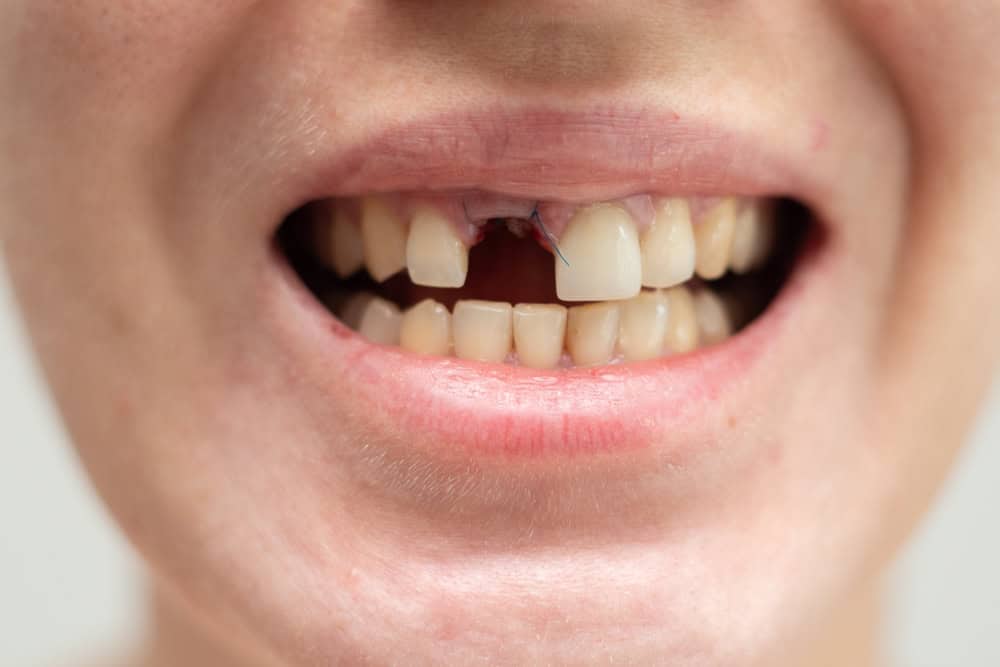
In certain clinical situations, removing more than one tooth is the most effective way to restore comfort, control disease, and prepare the mouth for long-term stability. When carefully planned, Tooth Extractions carried out on multiple teeth follow a structured approach that prioritises safety, efficiency, and predictable healing. Each case is assessed individually to ensure that the decision supports both immediate needs and future oral health.
When Multiple Extractions Are Recommended
Removing several teeth at once is not routine, but it is appropriate in specific circumstances where treating each tooth individually would not provide a reliable outcome.
Advanced Gum Disease
Severe periodontal disease can affect multiple teeth, leading to bone loss and reduced stability. When several teeth are compromised, removing them may be necessary to stabilise the remaining structures and prevent ongoing infection.
Extensive Decay
Widespread decay that affects multiple teeth beyond restoration may require removal to eliminate sources of infection and discomfort.
Orthodontic Treatment Planning
In some orthodontic cases, more than one tooth may be removed to create sufficient space for proper alignment and long-term stability.
Preparation for Full or Partial Dentures
When planning for dentures, remaining teeth that cannot be maintained may be removed to create a stable and functional foundation.
Assessment and Planning
Careful planning is essential when multiple teeth are to be removed, ensuring that the procedure is carried out safely and efficiently.
Comprehensive Examination
The condition of each tooth, the surrounding gums, and the underlying bone is assessed to determine the appropriate approach.
Imaging and Diagnosis
X-rays provide detailed information about root structures and bone support, allowing for precise planning of each extraction.
Phased or Single-Stage Approach
Depending on the complexity and number of teeth involved, extractions may be performed in a single session or staged over multiple appointments.
The Procedure for Multiple Extractions
The process is designed to maintain control and minimise stress on the surrounding tissues.
Anaesthesia and Comfort
Local anaesthesia is used to ensure comfort throughout the procedure. In some cases, sedation may be considered to support relaxation, particularly when several teeth are being removed.
Systematic Removal
Teeth are removed in a planned sequence, allowing the clinician to maintain control and reduce trauma to the surrounding structures.
Managing the Extraction Sites
Each site is cleaned and prepared for healing. Measures are taken to control bleeding and support clot formation across all areas.
Healing Considerations
Healing after multiple extractions follows the same biological process as single extractions but requires additional attention due to the number of sites involved.
Initial Recovery
Swelling and discomfort may be more noticeable, particularly in the first few days. This is a normal response and is managed with appropriate care.
Clot Formation
Each extraction site forms its own clot. Protecting all sites is essential to ensure smooth healing.
Gradual Tissue Repair
The gums begin to close over each site, and underlying bone starts to remodel as part of the healing process.
Aftercare Following Multiple Extractions
Aftercare is particularly important when several areas are healing simultaneously.
Dietary Adjustments
Soft foods are recommended to minimise pressure on the extraction sites. Careful chewing helps avoid disturbing the healing areas.
Oral Hygiene
Maintaining cleanliness while avoiding direct contact with the extraction sites supports healing and reduces the risk of infection.
Rest and Recovery
Allowing time for recovery and avoiding strenuous activity supports the body’s healing process.
Pain Management and Comfort
Managing discomfort is an important part of recovery, particularly when multiple areas are involved.
Medication Support
Appropriate pain relief is recommended to maintain comfort and allow normal daily activities to continue.
Swelling Control
Cold compresses can help reduce swelling in the early stages, contributing to a more comfortable recovery.
Planning for Tooth Replacement
When multiple teeth are removed, planning for replacement becomes a key part of treatment.
Restorative Options
Options such as dentures, bridges, or implants are considered based on the number of missing teeth and the overall treatment plan.
Timing and Coordination
The timing of replacement is aligned with the healing process to ensure a stable and predictable result.
Benefits of a Planned Approach
Carrying out multiple extractions in a structured manner offers several advantages.
Efficiency of Treatment
Addressing multiple issues in a coordinated way can reduce the number of appointments and streamline the overall treatment process.
Improved Oral Health
Removing compromised teeth helps eliminate sources of infection and supports a healthier oral environment.
Preparation for Long-Term Solutions
Creating a stable foundation allows for effective restorative treatment and improved function.
Potential Considerations
While the procedure is carefully managed, removing multiple teeth requires attention to certain factors.
Increased Initial Discomfort
With several extraction sites, early recovery may involve more noticeable discomfort and swelling.
Careful Aftercare
Adhering to aftercare instructions is essential to ensure that all sites heal properly and complications are avoided.
Conclusion
Multiple tooth extractions are a carefully planned procedure designed to address complex dental conditions and support long-term oral health. By removing compromised teeth in a controlled and structured way, clinicians create a stable environment for healing and future treatment. With appropriate planning, clear aftercare, and ongoing support, patients can expect a predictable recovery and a clear path towards restored function and comfort.