
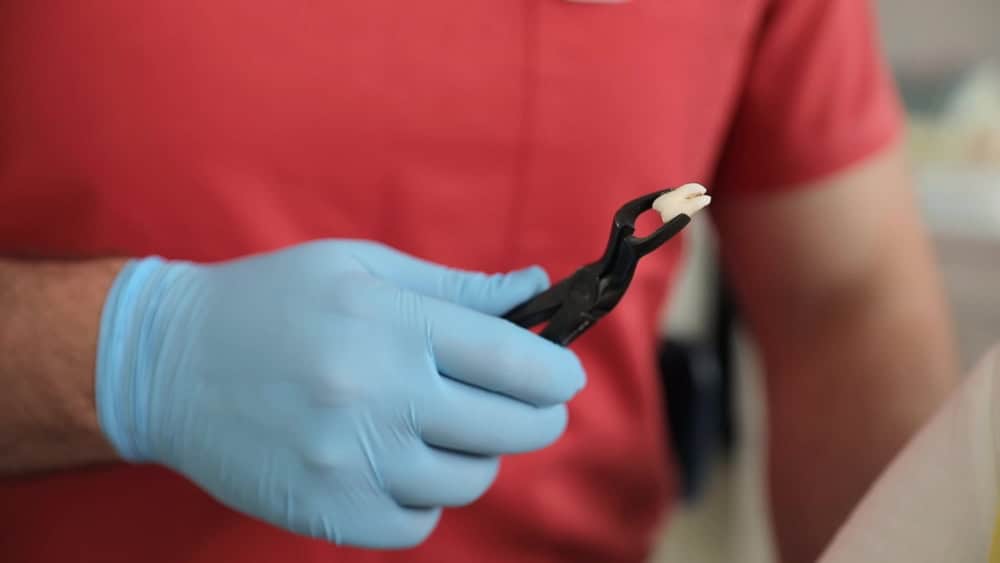
Understanding the potential risks associated with Tooth Extractions is an important part of informed decision-making. While tooth removal is a routine and carefully controlled procedure, it is still a surgical intervention. As with any clinical treatment, there are considerations that must be assessed and managed to ensure safe outcomes. With appropriate planning, precise technique, and clear aftercare, these risks are kept to a minimum and are managed effectively when they arise.
General Overview of Risk in Dental Procedures
Every dental procedure carries a level of risk, although in most cases these are low and predictable. The purpose of clinical assessment is to identify potential concerns in advance and adapt the treatment approach accordingly.
Patients benefit from a structured process that includes careful diagnosis, planning, and follow-up. This approach ensures that any risks are not only reduced but also managed in a timely and controlled manner.
Bleeding After Extraction
Some bleeding is expected following the removal of a tooth, as the body begins forming a protective clot within the socket.
Normal vs Prolonged Bleeding
In most cases, bleeding settles within a few hours with gentle pressure. However, prolonged or excessive bleeding can occur in certain situations, particularly where there are underlying medical conditions or medications that affect clotting.
Clear post-operative guidance helps patients manage this effectively, and additional care can be provided if required.
Dry Socket
Dry socket is one of the more commonly discussed complications following extraction, although it remains relatively uncommon when aftercare advice is followed.
What Causes Dry Socket
This condition occurs when the blood clot is lost prematurely or fails to form properly, leaving the underlying bone exposed. It can lead to increased discomfort and delayed healing.
Prevention and Management
Protecting the clot is central to prevention. Patients are advised to avoid activities that may disturb the area, such as vigorous rinsing or smoking. If dry socket develops, it can be managed with appropriate clinical care to relieve symptoms and support healing.
Infection at the Extraction Site
Infection is a potential risk in any surgical procedure, although it is uncommon with proper technique and hygiene.
Signs of Infection
Symptoms may include increasing pain, swelling, or the presence of discharge. Early recognition allows for prompt management, preventing progression.
Reducing the Risk
Maintaining oral hygiene and following post-operative instructions are key measures in preventing infection. In certain cases, additional precautions may be recommended based on individual risk factors.
Swelling and Bruising
Swelling is a natural response to tissue manipulation and is more noticeable in some cases than others.
Expected Response
Mild to moderate swelling is common, particularly after more complex extractions. It typically peaks within a few days and then subsides.
Managing Inflammation
Cold compresses and rest help control swelling. Bruising may also occur but resolves as healing progresses.
Pain and Discomfort
Some degree of discomfort is expected once the effects of anaesthesia wear off.
Typical Pain Levels
For most patients, discomfort is manageable with recommended medication and reduces steadily over the first few days.
When Pain Requires Review
Pain that intensifies rather than improves may indicate an underlying issue and should be assessed to ensure appropriate management.
Damage to Surrounding Structures
Careful technique is used to protect nearby teeth, bone, and soft tissues. However, there is a small risk of unintended impact during the procedure.
Adjacent Teeth
Neighbouring teeth may be subject to pressure during extraction, particularly in cases where access is limited. This is minimised through controlled movements and appropriate instrument use.
Soft Tissue Sensitivity
The gums and surrounding tissues may experience temporary sensitivity as they heal. This is part of the normal recovery process.
Nerve Sensitivity and Temporary Changes
In certain areas of the mouth, particularly in the lower jaw, nerves run close to the roots of some teeth.
Temporary Altered Sensation
In rare cases, patients may experience temporary changes in sensation, such as tingling or numbness in the lip, chin, or tongue. This usually resolves over time as the area heals.
Clinical Planning to Reduce Risk
Pre-procedure imaging helps identify the position of nerves and allows the clinician to plan the extraction with precision, reducing the likelihood of this occurring.
Delayed Healing
Healing timelines can vary depending on individual factors, including overall health and the complexity of the extraction.
Factors That Influence Recovery
Conditions such as smoking, systemic health issues, or poor oral hygiene can affect the speed and quality of healing.
Supporting Recovery
Following aftercare instructions and attending any recommended follow-up appointments helps ensure that healing progresses as expected.
Sinus-Related Considerations
For upper back teeth, the roots may be located close to the sinus cavity.
Sinus Communication
In some cases, a small communication between the mouth and sinus may occur. This is uncommon and is managed with appropriate clinical measures to allow proper healing.
Managing Anxiety Around Risks
Understanding potential risks can sometimes increase concern, but it is important to view them in context.
Reassurance Through Planning
Most extractions are completed without complications. The structured approach taken by experienced clinicians ensures that risks are anticipated and managed effectively.
Clear Communication
Patients are guided through each stage, with clear explanations and reassurance. This helps create a sense of control and confidence in the process.
The Role of Aftercare in Risk Reduction
Post-operative care is a critical component in minimising complications.
Following Instructions Carefully
Simple measures such as protecting the clot, maintaining hygiene, and adhering to dietary advice significantly reduce the likelihood of complications.
Seeking Advice When Needed
Prompt communication with the clinic if concerns arise ensures that any issues are addressed early and effectively.
Conclusion
While tooth extraction carries potential risks, these are generally low and well understood within clinical practice. Careful assessment, precise technique, and structured aftercare work together to ensure safe and predictable outcomes. By understanding these considerations and following professional guidance, patients can approach treatment with confidence, knowing that their care is managed with experience, attention, and a focus on long-term oral health.


