
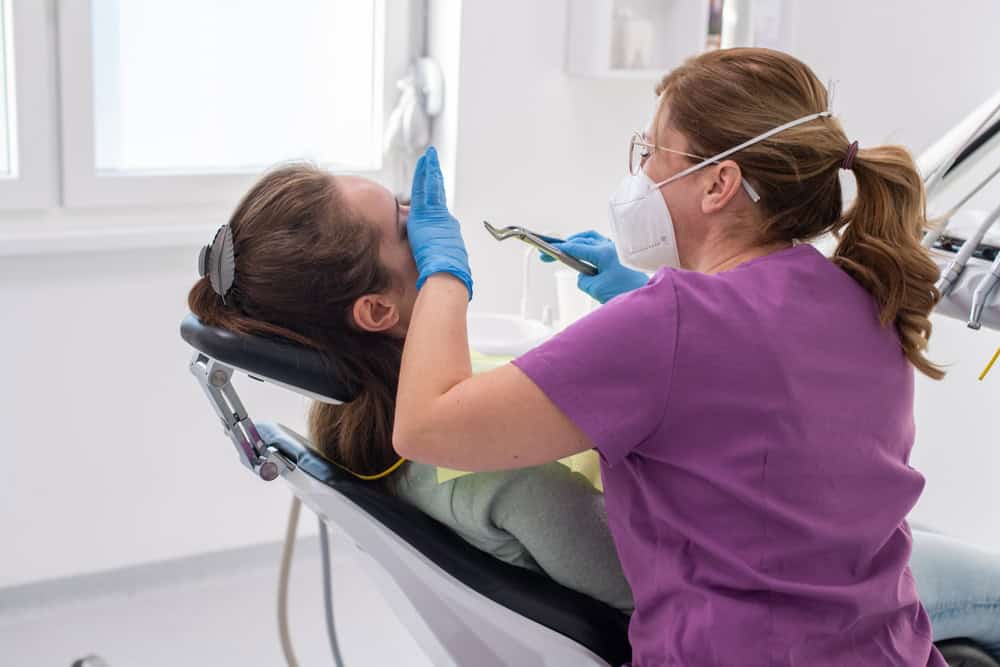
Recovery following Tooth Extractions is a structured process that allows the body to repair the treated area and restore stability within the mouth. While the procedure itself is carefully controlled, the healing phase plays an equally important role in achieving a predictable outcome. With clear guidance and appropriate care, recovery is typically straightforward, progressing through well-defined stages.
Understanding the Healing Process
Healing begins immediately after the tooth is removed. The body responds by forming a blood clot within the extraction site, which serves as a protective layer over the underlying bone and nerve endings. This clot is essential, as it supports tissue regeneration and helps prevent complications.
Over time, the clot is gradually replaced by new tissue, and the surrounding gum closes over the site. Bone beneath the surface also begins to remodel, creating a stable foundation for the surrounding structures.
The First 24 Hours
The initial period following extraction is focused on stabilising the area and protecting the blood clot.
Controlling Bleeding
Some minor bleeding is expected in the first few hours. Gentle pressure applied with gauze helps encourage clot formation. It is important to avoid frequent checking or disturbance of the area during this time.
Managing Numbness
Local anaesthesia may remain effective for several hours. During this period, care should be taken to avoid biting the cheek or tongue while sensation is reduced.
Rest and Positioning
Keeping the head slightly elevated and limiting physical activity supports early healing. This reduces the likelihood of renewed bleeding and helps the body focus on recovery.
Days One to Three
As the anaesthetic wears off, mild discomfort and swelling may become more noticeable. These responses are part of the normal healing process.
Pain Management
Any discomfort is typically manageable with recommended medication. Taking pain relief as advised helps maintain comfort and allows normal daily activities to continue with minimal disruption.
Swelling and Inflammation
Swelling may peak within the first two to three days. Applying a cold compress intermittently to the outside of the face can help reduce this response.
Dietary Adjustments
A soft diet is recommended during this stage. Foods that are easy to chew and swallow reduce strain on the extraction site and help prevent irritation.
Protecting the Blood Clot
Maintaining the integrity of the blood clot is critical for proper healing.
Avoiding Disruption
Actions that create suction or pressure within the mouth, such as using straws or vigorous rinsing, should be avoided. These can dislodge the clot and delay healing.
Smoking Considerations
Smoking can interfere with blood flow and increase the risk of complications. Avoiding it during the initial healing phase supports better outcomes.
Oral Hygiene During Recovery
Maintaining cleanliness in the mouth is important, but it must be approached with care.
Gentle Cleaning
Teeth can be brushed as normal, avoiding the extraction site in the early stages. This helps prevent bacterial build-up without disturbing the healing area.
Rinsing Guidelines
After the first 24 hours, gentle rinsing with a mild solution may be recommended. This should be done carefully, without force, to avoid disrupting the clot.
Days Four to Seven
During this period, the body continues to repair the site, and symptoms typically begin to improve.
Reduction in Discomfort
Pain and swelling usually decrease steadily. Most patients find that normal activities can be resumed with minimal restriction.
Soft Tissue Healing
The gum tissue starts to close over the extraction site, providing additional protection and stability.
Stitches and Follow-Up
If stitches have been placed, they may be removed or begin to dissolve during this time. Follow-up appointments allow the clinician to confirm that healing is progressing as expected.
Longer-Term Healing
While early recovery occurs within the first week, deeper healing continues over several weeks.
Bone Regeneration
The underlying bone gradually remodels and fills the space left by the extracted tooth. This process is essential for maintaining structural integrity.
Gum Maturation
The gum tissue continues to strengthen and adapt, creating a stable and healthy surface.
Planning for Replacement
If a replacement tooth is planned, such as an implant or bridge, timing is coordinated with the healing process to ensure optimal results.
Common Symptoms and What to Expect
Most symptoms experienced during recovery are normal and resolve with time.
Mild Bleeding
Light bleeding or oozing may occur for a short period after the procedure. This typically reduces quickly as the clot stabilises.
Swelling and Bruising
Swelling is a natural response to the procedure and may be accompanied by mild bruising. Both usually subside within a few days.
Sensitivity
The surrounding area may feel sensitive, particularly when eating or drinking. This improves as healing progresses.
Recognising When to Seek Advice
While recovery is generally straightforward, certain signs may require further assessment.
Persistent Pain
Discomfort that increases rather than improves over time may indicate a complication and should be reviewed.
Prolonged Bleeding
Bleeding that does not settle with gentle pressure should be assessed to ensure proper clot formation.
Signs of Infection
Unusual swelling, discharge, or fever may suggest infection and should be addressed promptly.
Supporting a Smooth Recovery
Simple measures can significantly influence the healing process and overall comfort.
Following Clinical Guidance
Adhering to aftercare instructions helps minimise risks and supports predictable healing. Each recommendation is designed to protect the site and encourage recovery.
Allowing Adequate Rest
Giving the body time to heal without unnecessary strain contributes to a more comfortable and efficient recovery.
Conclusion
Recovery after tooth extraction follows a clear and natural progression, supported by the body’s ability to heal and adapt. By protecting the extraction site, maintaining gentle oral hygiene, and following professional guidance, patients can expect a steady return to normal function. Careful aftercare, combined with expert clinical planning, ensures that healing is predictable, comfortable, and aligned with long-term oral health.


