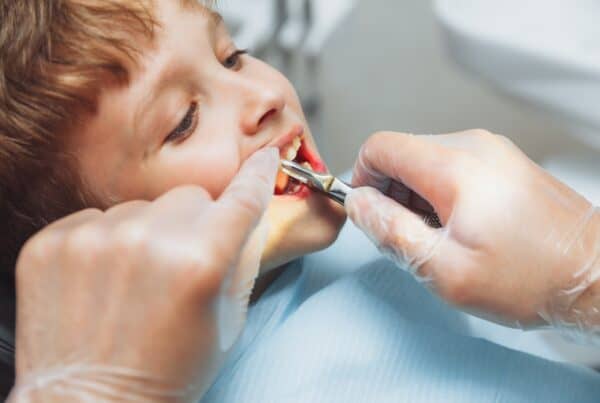
Restoring function after Tooth Extractions is an important part of long-term oral health planning. While removing a tooth may resolve pain or infection, the space that remains can affect how the surrounding teeth, bite, and jaw function over time. Replacing a missing tooth is therefore often recommended to maintain stability, support chewing efficiency, and preserve overall alignment.
Why Tooth Replacement Matters
Each tooth plays a role in maintaining balance within the mouth. When a tooth is removed, the surrounding structures begin to adapt.
Neighbouring teeth may shift into the space, opposing teeth may move out of position, and the distribution of bite forces can change. Over time, this can affect both function and oral health.
Maintaining Alignment
Replacing a missing tooth helps prevent adjacent teeth from drifting, supporting a stable and well-aligned bite.
Preserving Chewing Function
Restoration allows for even distribution of chewing forces, reducing strain on remaining teeth.
Supporting Jaw Health
Maintaining stimulation of the underlying bone helps preserve its structure and strength over time.
When Replacement Is Recommended
The need for replacement depends on the location of the extracted tooth and the overall treatment plan.
Functional Teeth
Teeth involved in chewing are usually recommended for replacement to maintain efficiency and comfort during eating.
Visible Areas
Teeth in the front of the mouth are often replaced to restore appearance and support confidence in speech and smile.
Exceptions
In some cases, such as the removal of wisdom teeth, replacement is not necessary, as they do not play a significant role in normal function.
Main Tooth Replacement Options
Several treatment options are available, each designed to restore function and stability in different ways.
Dental Implants
Dental implants provide a long-term solution by replacing both the root and the crown of the missing tooth. A small titanium post is placed into the jawbone, acting as a stable foundation for a custom-made crown.
This approach closely replicates the function of a natural tooth and helps maintain bone structure through continued stimulation.
Dental Bridges
A bridge replaces the missing tooth by anchoring a replacement crown to the adjacent teeth. These supporting teeth are prepared to hold the structure in place.
Bridges provide a fixed solution and restore both appearance and function, although they rely on neighbouring teeth for support.
Removable Dentures
Removable dentures are used to replace one or more missing teeth. They are designed to fit comfortably within the mouth and can be taken out for cleaning.
This option may be suitable in cases where multiple teeth are missing or when other treatments are not appropriate.
Factors Influencing the Choice of Treatment
Selecting the most appropriate replacement option depends on several clinical and personal factors.
Oral Health Condition
The health of the gums and bone plays a key role in determining suitability, particularly for implant treatment.
Number of Missing Teeth
Single tooth loss may be managed differently from multiple missing teeth, influencing the recommended approach.
Long-Term Goals
Treatment is planned with long-term function and durability in mind, ensuring that the chosen solution supports ongoing oral health.
Timing of Tooth Replacement
The timing of replacement is carefully planned to align with the healing process after extraction.
Immediate Considerations
In some cases, temporary solutions may be provided soon after extraction to maintain appearance and function.
Healing Phase
For many treatments, a period of healing is required before permanent replacement is placed. This allows the extraction site to stabilise and ensures a suitable foundation.
Planned Placement
Definitive treatment is carried out once the area has healed sufficiently, ensuring a predictable and stable result.
Benefits of Timely Replacement
Addressing a missing tooth in a timely manner helps prevent complications and supports long-term outcomes.
Preventing Tooth Movement
Replacing the tooth early reduces the likelihood of neighbouring teeth shifting into the space.
Maintaining Bite Balance
Even distribution of forces helps protect remaining teeth from excessive wear or strain.
Supporting Facial Structure
Maintaining bone and soft tissue support contributes to overall facial balance and structure.
Long-Term Maintenance
All replacement options require ongoing care to ensure their longevity and effectiveness.
Oral Hygiene
Maintaining good hygiene is essential to protect both natural teeth and any restorative work.
Regular Reviews
Routine dental examinations allow for monitoring of the restoration and early identification of any issues.
Adapting to Changes
Over time, adjustments may be required to maintain comfort and function, particularly for removable options.
Addressing Common Concerns
Patients often have questions about how replacement will affect their daily life.
Comfort and Function
Modern restorative options are designed to integrate naturally with the mouth, allowing for comfortable eating and speaking.
Aesthetic Outcome
Careful design ensures that replacement teeth match the appearance of natural teeth, creating a balanced and natural result.
Conclusion
Replacing a tooth after extraction is an important step in maintaining long-term oral health, function, and stability. Whether through implants, bridges, or removable solutions, each option is designed to restore balance within the mouth and support everyday activities. With careful planning and expert guidance, patients can achieve outcomes that are both functional and durable, ensuring confidence in their oral health for the future.