
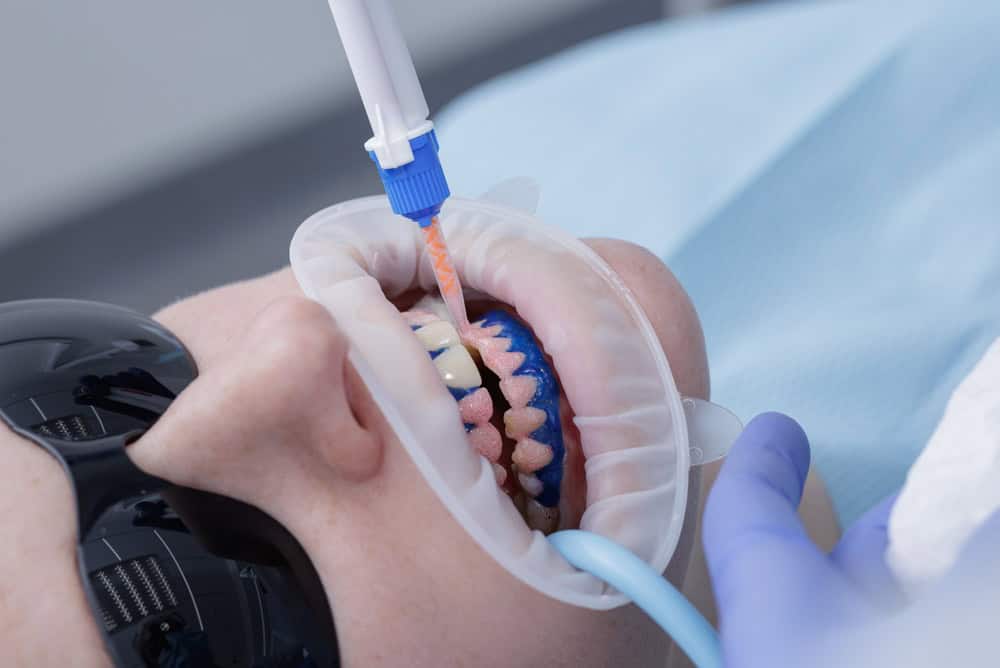
Smoking has a direct and cumulative impact on oral health, influencing both the condition of the teeth and the stability of the gums. As part of Professional Teeth Cleaning, patients who smoke benefit from a more structured and attentive approach to managing plaque, tartar, and staining. Clinical cleaning is not simply a routine measure in these cases, but an important part of maintaining control over the changes that smoking can introduce over time.
How Smoking Affects Oral Health
Smoking alters the oral environment in several ways, creating conditions that increase the risk of gum disease, staining, and persistent bacterial buildup. These effects are often gradual, making regular assessment and maintenance particularly important.
Increased Plaque and Tartar Formation
Smokers often experience faster accumulation of plaque, which can harden into tartar more readily. This buildup tends to be more persistent and can form in areas that are difficult to manage with daily hygiene alone.
Reduced Gum Response
Smoking affects blood flow to the gums, which can limit the body’s natural inflammatory response. As a result, signs such as bleeding may be less noticeable, even when gum disease is present.
This can delay detection and allow underlying conditions to progress without obvious symptoms.
Surface Staining and Discolouration
Tobacco products introduce pigments that adhere to the enamel, leading to visible staining. These stains can become more pronounced over time and are often resistant to routine brushing.
The Role of Professional Cleaning for Smokers
Professional cleaning provides a controlled method of addressing the specific challenges associated with smoking. It focuses on removing deposits, managing bacterial levels, and supporting gum health.
Removal of Tartar and Deposits
Specialised instruments are used to remove hardened tartar from the teeth. This is essential in preventing further bacterial accumulation and reducing the risk of gum disease.
Targeting Stain Accumulation
Cleaning includes techniques such as polishing or air-based methods to reduce surface staining. While this does not alter the natural colour of the teeth, it helps restore a cleaner and more uniform appearance.
Supporting Gum Health
By reducing bacterial presence, professional cleaning helps create conditions that allow the gums to remain as healthy as possible. This is particularly important for smokers, where early signs of gum disease may be less apparent.
Increased Risk of Gum Disease
Smoking is a significant risk factor for periodontal disease. The combination of increased plaque accumulation and reduced immune response creates an environment where gum disease can develop more easily.
Progression Without Obvious Symptoms
Because smoking can mask common indicators such as bleeding, gum disease may progress without noticeable warning signs. Regular cleaning appointments allow for early identification and management.
Impact on Long-Term Stability
If left unmanaged, periodontal disease can affect the supporting structures of the teeth, leading to gum recession, bone loss, and reduced tooth stability.
Consistent professional care helps reduce these risks by maintaining a healthier oral environment.
Frequency of Cleaning for Smokers
Patients who smoke often benefit from more frequent cleaning appointments compared to non-smokers. While many patients attend every six months, smokers may be advised to return every three to four months.
This increased frequency helps manage the faster rate of plaque and tartar accumulation and provides ongoing monitoring of gum health.
Individualised Recommendations
The exact interval is determined based on clinical findings, including the condition of the gums and the level of deposit buildup. Care is tailored to ensure that it remains effective and appropriate.
Managing Staining Effectively
Staining is one of the more visible effects of smoking, and professional cleaning plays a key role in managing it.
Polishing Techniques
Polishing helps remove superficial stains and smooth the tooth surface, reducing the likelihood of rapid reaccumulation.
Air-Based Cleaning Methods
For more persistent stains, air polishing may be used. This method allows for effective stain removal while preserving the integrity of the enamel.
Supporting Oral Hygiene at Home
Professional cleaning is most effective when combined with consistent home care. For smokers, maintaining daily hygiene is particularly important in controlling plaque and reducing the impact of tobacco use.
Thorough Brushing and Flossing
Regular brushing and flossing help manage plaque between appointments, reducing the rate at which deposits accumulate.
Attention to High-Risk Areas
Extra care should be taken around the gumline and between teeth, where plaque is more likely to build up.
Monitoring Oral Health Changes
Regular cleaning appointments provide an opportunity for ongoing assessment of oral health. This is particularly important for smokers, where changes may not be immediately apparent.
Early Identification of Concerns
The clinician evaluates the condition of the gums, teeth, and soft tissues, identifying any early signs of disease or abnormal changes.
Guidance and Preventive Advice
Patients may receive advice on improving oral hygiene practices and managing the effects of smoking on their dental health.
Long-Term Benefits of Regular Cleaning
Consistent professional cleaning offers significant benefits for smokers, helping to manage risk factors and maintain oral health over time.
Improved Gum Stability
By controlling bacterial levels, cleaning supports the health of the gums and helps maintain their ability to support the teeth.
Reduction in Stain Accumulation
Regular removal of stains helps maintain a cleaner appearance and reduces the impact of tobacco-related discolouration.
Support for Overall Oral Health
Through structured care and monitoring, professional cleaning helps reduce the likelihood of more complex dental issues developing.
The Role of Clinical Expertise
Cleaning for smokers requires a considered approach, guided by clinical experience and attention to detail. The dental professional adapts the cleaning process to address the specific challenges presented by smoking.
This ensures that treatment remains both effective and appropriate, supporting long-term oral stability.
Conclusion
Smoking introduces specific challenges to oral health, including increased plaque buildup, staining, and a higher risk of gum disease. Professional teeth cleaning provides a structured and effective way to manage these factors, supporting gum health and maintaining the condition of the teeth. With regular care, tailored cleaning intervals, and consistent home hygiene, patients who smoke can maintain better control over their oral health and reduce the long-term impact of these risk factors.


