
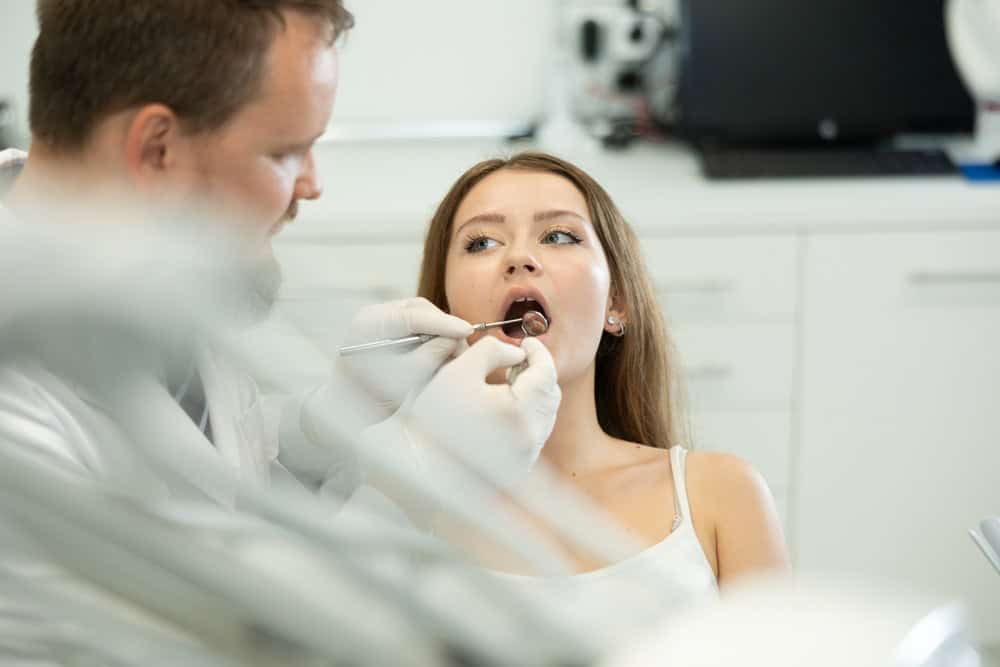
Oral health needs evolve with age, requiring a careful and structured approach to maintain comfort, function, and stability. Within this context, Preventive Dentistry for seniors focuses on preserving natural teeth where possible, supporting existing dental work, and managing age-related changes that may increase risk.
Understanding Oral Health in Later Life
As patients age, the mouth undergoes gradual changes that can influence oral health. These may include gum recession, reduced saliva flow, and the long-term effects of wear or previous dental treatment.
Preventive care is designed to address these changes proactively, ensuring that oral health remains stable and manageable.
The Importance of Ongoing Care
Regular attention to oral health becomes increasingly important in later years. Conditions that may have developed slowly over time can become more significant if not monitored and managed appropriately.
Consistent preventive care supports comfort, function, and overall quality of life.
Maintaining Natural Teeth
Preserving natural teeth remains a priority for as long as possible. Preventive strategies focus on protecting enamel, managing gum health, and reducing the risk of decay.
Addressing Gum Recession
Gum recession is common with age, exposing the root surfaces of teeth. These areas are more vulnerable to decay and require careful cleaning and protection.
Adapting brushing technique and using appropriate products helps maintain these exposed surfaces.
Managing Root Caries
Decay affecting the root surface can develop more quickly than enamel-based cavities. Preventive care includes regular monitoring and the use of protective measures such as fluoride.
Early detection allows for more conservative management.
Supporting Gum Health
Healthy gums are essential for maintaining the stability of the teeth. Preventive care includes both daily hygiene and professional support to manage inflammation.
Effective Plaque Control
Daily brushing and interdental cleaning remain central to gum health. Gentle, consistent techniques help remove plaque without causing irritation to sensitive tissues.
Maintaining these habits supports the long-term stability of the gums.
Monitoring for Periodontal Changes
Regular dental visits allow for the assessment of gum condition and the early identification of periodontal disease. Prompt management helps prevent progression and preserves supporting structures.
This ongoing monitoring is a key component of preventive care.
Managing Dry Mouth
Reduced saliva flow, or dry mouth, is a common concern in older adults and can increase the risk of decay and discomfort.
Understanding the Causes
Dry mouth may result from medications, medical conditions, or age-related changes. Saliva plays a critical role in neutralising acids and supporting remineralisation, so its reduction has a significant impact on oral health.
Identifying the underlying cause allows for more effective management.
Supporting Saliva Function
Staying well hydrated, using saliva substitutes, and stimulating saliva production through sugar-free gum can help manage symptoms. Professional guidance ensures that these measures are appropriate.
Addressing dry mouth supports both comfort and oral health.
Caring for Dental Restorations and Prosthetics
Many seniors have restorations such as crowns, bridges, or dentures. Preventive care includes maintaining these structures to ensure they continue to function effectively.
Maintaining Fixed Restorations
Crowns and bridges require careful cleaning around their margins to prevent plaque accumulation. Specialised tools may be recommended to ensure thorough care.
Regular monitoring helps identify any issues early.
Denture Care
Removable dentures should be cleaned daily and handled with care. Proper hygiene prevents irritation of the gums and reduces the risk of infection.
Regular assessment ensures that dentures fit correctly and remain comfortable.
Diet and Nutrition Considerations
Diet continues to play an important role in oral health at every stage of life. Nutritional choices influence both the teeth and the supporting tissues.
Supporting Oral and General Health
A balanced diet provides essential nutrients that support tissue health and healing. Adequate intake of vitamins and minerals contributes to maintaining healthy gums and bone structure.
Consistency in dietary habits supports overall wellbeing.
Managing Sugar and Acid Intake
Limiting the frequency of sugary and acidic foods reduces the risk of decay and enamel wear. This is particularly important when saliva flow is reduced.
Choosing water and balanced meals supports a healthier oral environment.
Regular Dental Visits
Routine dental care remains essential in later life. Regular visits provide an opportunity to monitor oral health and address concerns promptly.
Comprehensive Assessment
Examinations include evaluation of teeth, gums, restorations, and oral tissues. This comprehensive approach ensures that all aspects of oral health are considered.
Early detection supports more conservative and effective management.
Professional Cleaning and Maintenance
Professional cleaning removes plaque and calculus that cannot be addressed through home care alone. This supports gum health and reduces the risk of disease progression.
Ongoing maintenance helps preserve stability over time.
Adapting Oral Care Techniques
Physical changes or reduced dexterity may require adjustments to oral hygiene routines. Preventive care includes adapting techniques to ensure they remain effective.
Using Supportive Tools
Electric toothbrushes, adapted handles, and specialised interdental tools can make daily care easier and more effective. These tools support patients in maintaining consistent hygiene.
Choosing the right tools ensures that oral care remains manageable.
Maintaining Independence
Where possible, maintaining independence in oral care supports confidence and routine. When assistance is needed, clear guidance ensures that care is delivered effectively.
This balance supports both dignity and health.
The Connection Between Oral and General Health
Oral health is closely linked to overall health, particularly in older adults. Preventive care supports both areas.
Managing Systemic Health Links
Conditions such as diabetes and cardiovascular disease can influence oral health. Maintaining healthy gums and teeth contributes to better management of these conditions.
Coordination between healthcare providers may be beneficial.
Supporting Quality of Life
Comfortable, functional teeth support eating, speaking, and social interaction. Preventive care helps maintain these abilities, contributing to overall quality of life.
This highlights the broader value of maintaining oral health.
Conclusion
Preventive care for seniors is a thoughtful and adaptive approach that addresses the unique challenges of later life. Through consistent hygiene, appropriate dietary choices, and regular professional support, patients can maintain oral health with stability and confidence. By focusing on preservation, careful monitoring, and practical adjustments, this approach ensures that comfort and function are maintained over time, reflecting a commitment to expertise-led, long-term care.


