
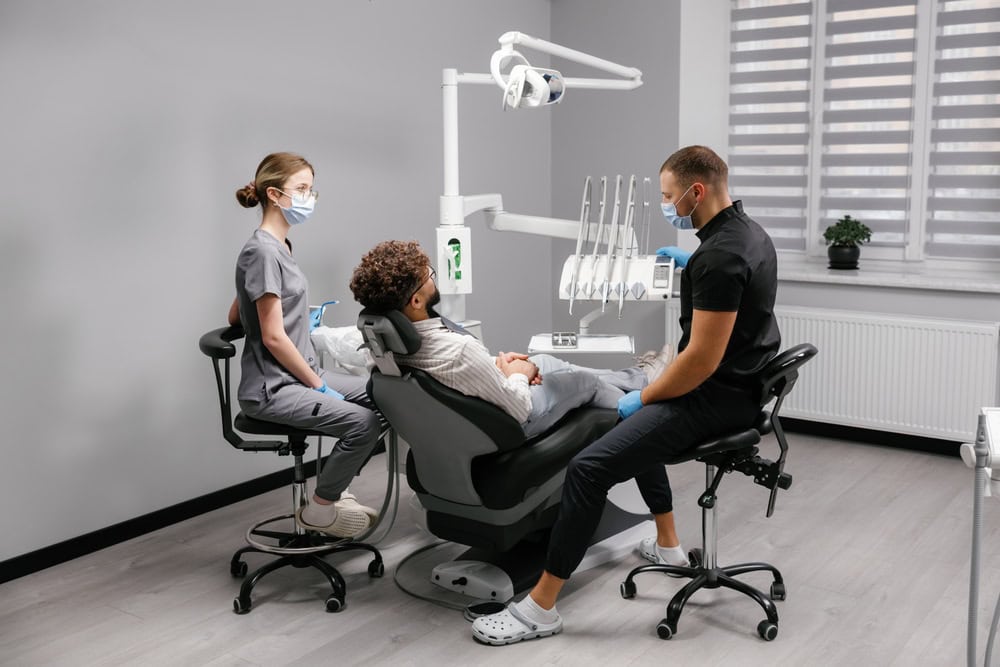
Maintaining oral health in adulthood requires a structured and consistent approach that adapts to changing needs over time. Within this framework, Preventive Dentistry focuses on preserving natural teeth, maintaining gum health, and ensuring that any developing concerns are identified and managed early.
The Importance of Preventive Care in Adulthood
As patients move beyond childhood and adolescence, oral health becomes influenced by a wider range of factors. Daily habits, existing dental work, lifestyle choices, and general health all play a role in determining risk.
Preventive care aims to maintain stability by addressing these factors in a structured and consistent manner. This reduces the likelihood of disease progression and supports long-term function.
Preserving Natural Teeth
Natural teeth provide the most efficient and reliable function when properly maintained. Preventive care focuses on protecting enamel, supporting the underlying structure, and avoiding unnecessary intervention.
By maintaining the integrity of natural teeth, patients benefit from more predictable and durable outcomes.
Maintaining Gum Health
Healthy gums are essential for supporting the teeth. Preventive care includes regular monitoring and management of gum health to prevent inflammation and more advanced conditions.
Consistent care helps maintain the stability of the supporting tissues and reduces the risk of long-term complications.
Daily Oral Hygiene for Adults
Effective daily care is central to preventing both tooth decay and gum disease. A structured routine ensures that plaque is controlled consistently.
Brushing Technique and Routine
Brushing twice daily using a soft-bristled toothbrush helps remove plaque from the teeth and along the gum line. Controlled movements and appropriate technique ensure that all areas are cleaned without causing damage to enamel or soft tissues.
Attention to detail is particularly important around existing restorations, where plaque can accumulate more easily.
Interdental Cleaning
Flossing or using interdental brushes is essential for cleaning between the teeth. These areas are not accessible with brushing alone and are common sites for decay and gum inflammation.
Daily interdental cleaning supports comprehensive plaque control and contributes to overall oral health.
Managing Existing Dental Work
Many adults have restorations such as fillings, crowns, or bridges. Preventive care includes maintaining these restorations to ensure they continue to function effectively.
Monitoring Restorations
Regular dental examinations assess the condition of existing work, identifying any signs of wear, leakage, or damage. Early detection allows for timely maintenance or replacement where necessary.
This helps prevent complications and supports the longevity of restorations.
Cleaning Around Restorations
Special attention is required when cleaning around crowns, bridges, and implants. These areas can trap plaque if not managed carefully.
Using appropriate tools and techniques ensures that these structures remain clean and stable.
The Role of Diet and Lifestyle
Diet and lifestyle choices have a direct impact on oral health. Managing these factors is an important part of preventive care.
Controlling Sugar Intake
Frequent consumption of sugary foods and drinks increases the risk of decay. Reducing the frequency of sugar exposure supports enamel health and allows time for recovery.
Balanced eating patterns contribute to a more stable oral environment.
Lifestyle Considerations
Habits such as smoking can affect gum health and the body’s ability to respond to infection. Addressing these factors supports more effective prevention and better overall outcomes.
Professional guidance can help patients understand the impact of these habits and make informed decisions.
Regular Dental Examinations
Routine dental visits play a key role in maintaining oral health. These appointments allow for ongoing assessment and early intervention where needed.
Early Detection of Issues
Examinations identify early signs of decay, gum disease, or structural changes. Addressing these issues at an early stage often allows for more conservative management.
This reduces the need for complex procedures and supports long-term stability.
Professional Cleaning
Professional cleaning removes plaque and calculus that cannot be eliminated through home care alone. This helps maintain gum health and reduces the risk of disease progression.
Regular cleaning also provides an opportunity to review and refine oral hygiene techniques.
Adapting Preventive Care to Individual Needs
No two patients have identical oral health requirements. Preventive care should be tailored to reflect individual risk factors and clinical findings.
Patients with Increased Risk
Some adults may have a higher risk of decay or gum disease due to factors such as medical conditions, medications, or previous dental history. These patients may require more frequent visits or additional preventive measures.
Personalised care ensures that these risks are managed effectively.
Changes Over Time
Oral health needs can change with age. Gum recession, wear, and changes in saliva flow may require adjustments to daily care and professional treatment.
Ongoing assessment ensures that preventive strategies remain appropriate.
Protecting Against Tooth Wear
In addition to decay and gum disease, adults may experience tooth wear due to factors such as grinding, acidic exposure, or mechanical abrasion.
Identifying Early Signs
Wear can develop gradually and may not cause immediate symptoms. Regular examinations allow for early identification and management.
Addressing wear early helps preserve tooth structure and prevent further damage.
Preventive Measures
Depending on the cause, preventive measures may include protective appliances, dietary adjustments, or modifications to brushing technique.
These measures are tailored to the individual to ensure effective protection.
Supporting Long-Term Oral Health
Preventive care in adulthood is not a one-time effort but an ongoing process. Consistency and attention to detail are key to maintaining stability over time.
Structured Care Plans
A structured plan provides clarity and direction, outlining the steps needed to maintain oral health. This includes daily routines, regular visits, and any additional measures required.
Clear planning supports adherence and long-term success.
Patient Engagement
Active participation in oral care is essential. Patients who understand their oral health and the reasons behind recommendations are better equipped to maintain consistent habits.
This collaborative approach supports more reliable outcomes.
Conclusion
Preventive care for adults is a comprehensive approach that focuses on preserving natural teeth, maintaining gum health, and managing risk factors over time. Through consistent daily hygiene, balanced lifestyle choices, and regular professional support, patients can maintain stable and predictable oral health. This reflects a measured, expertise-led approach to care, where prevention is prioritised and long-term outcomes are carefully considered.


