
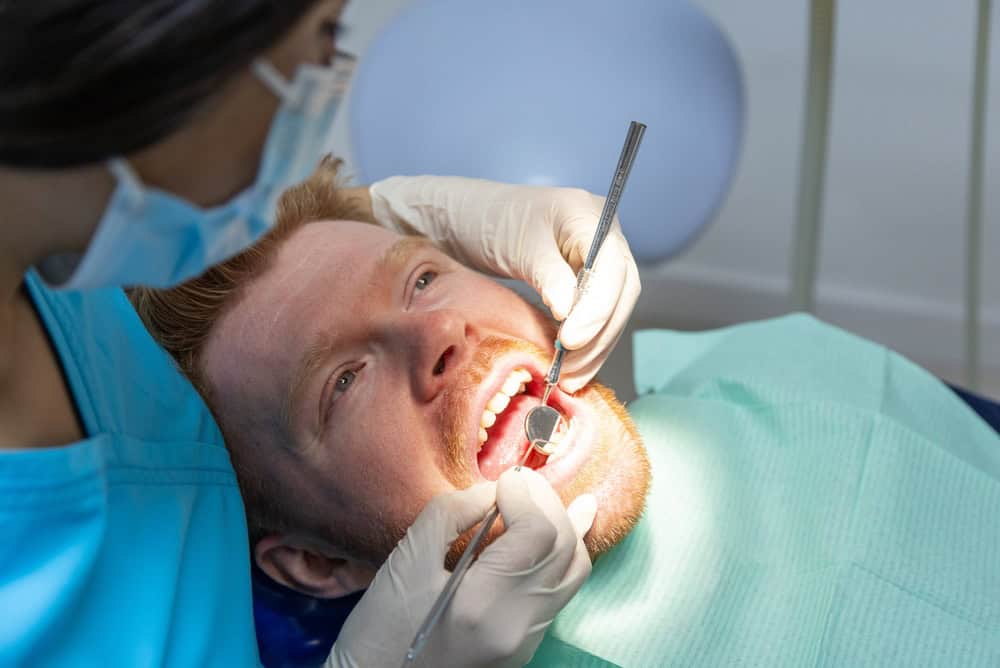
Controlling plaque is central to maintaining healthy teeth and gums over time. Within a structured approach such as Preventive Dentistry, avoiding plaque build-up relies on consistent daily care, informed habits, and regular professional support. When plaque is managed effectively, the risk of decay and gum disease is significantly reduced.
Understanding Plaque Formation
Plaque is a soft, sticky film of bacteria that forms continuously on the teeth. It develops when bacteria in the mouth interact with food particles, particularly sugars and starches.
If not removed regularly, plaque can harden into calculus and contribute to inflammation of the gums and damage to tooth structure. Preventing build-up depends on disrupting this process before it progresses.
Why Plaque Accumulates
Plaque forms most readily in areas that are difficult to clean, such as along the gum line, between the teeth, and on the chewing surfaces of molars. Irregular cleaning or ineffective technique allows it to remain undisturbed.
Over time, this accumulation increases the risk of oral disease.
Effective Daily Brushing
Brushing is the primary method of removing plaque from the tooth surfaces. The effectiveness of brushing depends on both technique and consistency.
Brushing Twice Daily
Teeth should be brushed in the morning and before sleep. Evening brushing is particularly important, as it removes plaque and debris accumulated throughout the day.
This reduces bacterial activity overnight, when saliva flow is naturally reduced.
Using the Correct Technique
A soft-bristled toothbrush should be held at a slight angle towards the gum line. Small, controlled movements allow the bristles to clean both the tooth surface and the edge of the gums.
Each section of the mouth should be cleaned systematically to ensure full coverage.
Brushing Duration
Brushing should last approximately two minutes. This provides enough time to clean all areas thoroughly without rushing.
Following a consistent pattern helps avoid missing areas where plaque may accumulate.
Cleaning Between the Teeth
Plaque often builds up in the spaces between teeth, where a toothbrush cannot reach effectively. Interdental cleaning is essential for complete plaque control.
Daily Flossing
Floss removes plaque from the sides of the teeth and just below the gum line. Using a gentle, controlled technique ensures that plaque is disrupted without causing irritation.
This step is particularly important for preventing decay and gum disease between teeth.
Interdental Brushes
For patients with wider spaces between teeth, interdental brushes may provide more effective cleaning. These tools can access areas that are difficult to reach with floss alone.
Using the correct size ensures both comfort and effectiveness.
Professional Cleaning and Monitoring
Even with careful daily care, some plaque may remain and harden into calculus. Professional cleaning is required to remove these deposits.
Removing Calculus
Once plaque hardens, it cannot be removed with a toothbrush. Dental professionals use specialised instruments to clean these areas, restoring a smooth surface that is easier to maintain.
This process supports gum health and reduces the risk of further accumulation.
Regular Assessments
Routine dental visits allow for monitoring of plaque control and identification of areas that may require additional attention. Guidance can then be provided to improve technique.
This ongoing support helps maintain effective prevention.
Managing Diet to Reduce Plaque Formation
Diet influences how quickly plaque forms and how active it becomes. Managing dietary habits supports better plaque control.
Limiting Sugary Foods
Sugars contribute to bacterial activity within plaque. Reducing the frequency of sugary snacks and drinks helps limit this activity and slows plaque development.
Structured meal times are more beneficial than frequent snacking.
Choosing Balanced Foods
Foods that require chewing, such as vegetables and whole fruits, stimulate saliva production. Saliva helps cleanse the mouth and reduce plaque accumulation.
Balanced nutrition supports both oral and general health.
The Role of Saliva
Saliva plays an important role in controlling plaque by washing away food particles and neutralising acids.
Natural Cleansing Action
Saliva helps reduce the build-up of bacteria by continually rinsing the surfaces of the teeth. This supports a healthier oral environment.
Maintaining good hydration helps ensure adequate saliva flow.
Supporting Enamel Protection
In addition to cleansing, saliva contributes to the repair of enamel by supplying essential minerals. This supports overall oral stability.
A healthy saliva flow enhances the effectiveness of daily oral hygiene.
Avoiding Common Mistakes
Certain habits can reduce the effectiveness of plaque control and allow build-up to occur.
Inconsistent Cleaning
Skipping brushing or flossing allows plaque to accumulate and become more difficult to remove. Consistency is key to preventing build-up.
Maintaining a structured routine ensures that plaque is managed effectively.
Rushing the Process
Brushing too quickly often leads to missed areas, particularly at the back of the mouth or along the gum line. Taking sufficient time improves overall effectiveness.
Careful, methodical cleaning produces better results.
Using Incorrect Tools
A hard-bristled toothbrush or poorly fitted interdental tools can cause irritation without improving cleaning. Selecting appropriate tools supports both comfort and effectiveness.
Professional advice can help identify the most suitable options.
Adapting Techniques to Individual Needs
Each patient’s oral health requirements are different. Preventive care includes tailoring plaque control methods to suit individual conditions.
Patients with Orthodontic Appliances
Braces and similar devices create additional areas where plaque can accumulate. Specialised brushes and cleaning techniques are often required to maintain hygiene.
Careful attention helps prevent complications during treatment.
Patients with Restorations
Crowns, bridges, and implants require targeted cleaning around their margins. Using appropriate techniques ensures that plaque does not accumulate in these areas.
This supports the longevity of dental work.
Maintaining Long-Term Plaque Control
Avoiding plaque build-up is an ongoing process that depends on consistent habits and regular review.
Structured Daily Routine
Following a clear daily routine ensures that plaque is removed before it can accumulate. This includes brushing, interdental cleaning, and appropriate use of oral care products.
Consistency supports long-term success.
Ongoing Professional Support
Regular dental visits provide guidance, reinforcement, and early intervention where needed. This ensures that plaque control remains effective over time.
Combining daily care with professional support creates a comprehensive approach.
Conclusion
Avoiding plaque build-up requires a balanced and consistent approach that combines effective daily hygiene, informed dietary choices, and regular professional care. By removing plaque before it accumulates and addressing risk factors early, patients can maintain healthy teeth and gums with confidence. This reflects a measured, expertise-led approach to oral health, where prevention is prioritised and long-term stability is the goal.


