
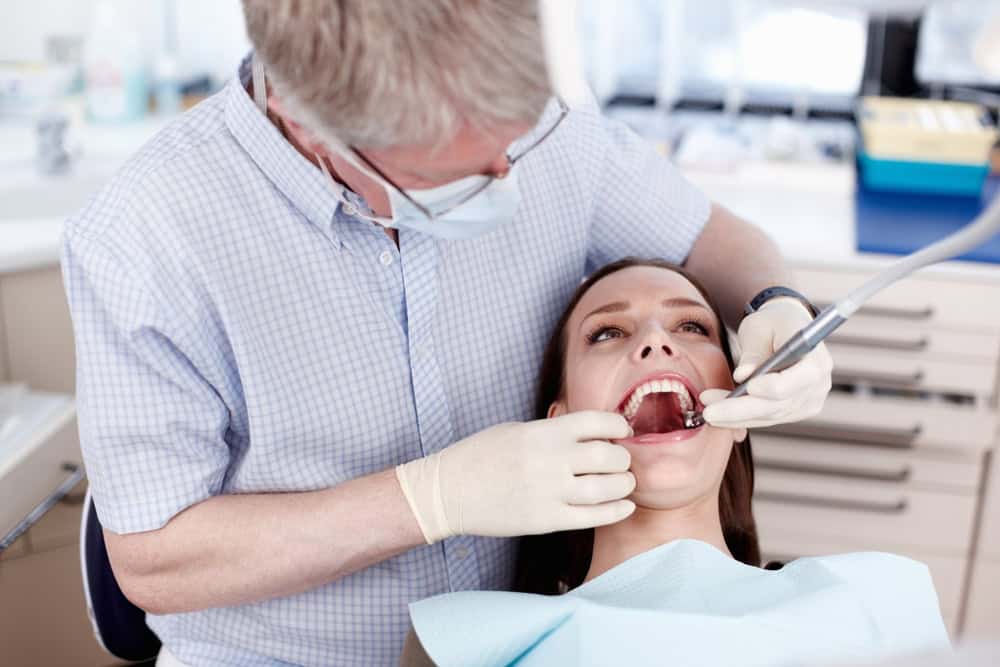
When a tooth becomes a source of persistent infection, Tooth Extractions may be recommended as a controlled and effective way to remove the underlying cause and restore oral health. While preserving natural teeth remains a priority in dentistry, there are situations where infection has progressed to a point where removal offers the most predictable path to recovery and long-term stability.
Understanding Dental Infection
Dental infections typically develop when bacteria enter the inner structures of a tooth, often as a result of deep decay, trauma, or untreated dental conditions. Once bacteria reach the pulp, the infection can spread beyond the tooth into surrounding tissues.
In early stages, infection may be managed with restorative treatment or root canal therapy. However, when the infection becomes extensive or recurrent, extraction may be the most reliable way to eliminate it completely.
When Extraction Is Considered for Infection
The decision to remove a tooth due to infection is based on careful clinical assessment and the likelihood of achieving a stable, long-term outcome.
Severe Structural Damage
If a tooth is significantly weakened by decay or fracture, it may not be possible to restore it effectively. In such cases, attempting to retain the tooth may lead to ongoing infection or repeated treatment failure.
Recurrent or Persistent Infection
Some infections return despite previous treatment. When this occurs, it indicates that the source of infection cannot be fully controlled while the tooth remains in place.
Spread to Surrounding Tissues
If the infection has extended into the surrounding bone or soft tissues, removal of the tooth may be necessary to prevent further progression and protect overall health.
Signs That Infection May Require Extraction
Certain symptoms can indicate that a dental infection has reached a stage where extraction may be needed.
Persistent Pain
Ongoing discomfort that does not resolve with standard treatment may suggest deep or extensive infection.
Swelling and Abscess Formation
Swelling of the gums or face, particularly when associated with an abscess, indicates that infection has spread beyond the tooth itself.
Tooth Mobility
Infection affecting the supporting bone can lead to loosening of the tooth, reducing its stability and function.
Difficulty Chewing
Pain or sensitivity when biting may reflect structural compromise or infection within the tooth.
The Role of Extraction in Managing Infection
Removing an infected tooth addresses the source of the problem directly. This allows the surrounding tissues to begin healing without ongoing bacterial presence.
Eliminating the Source
Extraction removes the infected tissue entirely, reducing bacterial load and allowing the body’s natural healing processes to take effect.
Preventing Further Spread
By removing the source of infection, the risk of it spreading to adjacent teeth, bone, or other areas is significantly reduced.
Procedure Considerations in Infected Cases
Extraction in the presence of infection requires careful planning and technique to ensure effective management.
Local Anaesthesia and Comfort
Local anaesthesia is used to ensure the procedure is comfortable. In some cases, additional measures may be required to achieve full numbness if the surrounding tissue is inflamed.
Cleaning the Extraction Site
After the tooth is removed, the area is thoroughly cleaned to remove any remaining infected material. This supports healing and reduces the likelihood of recurrence.
Use of Additional Treatment
Depending on the extent of the infection, additional measures such as medication may be recommended to support recovery and ensure complete resolution.
Healing After Extraction for Infection
Healing follows the same general process as other extractions, although it may require closer monitoring due to the presence of infection.
Early Recovery
The initial phase involves clot formation and stabilisation. Mild discomfort and swelling are expected but typically improve steadily.
Resolution of Infection
As healing progresses, signs of infection, such as swelling and pain, begin to resolve. This indicates that the source has been successfully removed.
Follow-Up Care
Review appointments may be scheduled to ensure that healing is progressing as expected and that no residual infection remains.
Risks of Delaying Extraction
Postponing treatment when a tooth is severely infected can lead to more complex issues.
Progression of Infection
Untreated infection can spread to surrounding tissues, increasing discomfort and complicating future treatment.
Impact on Adjacent Teeth
Nearby teeth may be affected by the spread of bacteria, potentially leading to additional treatment needs.
Systemic Considerations
In some cases, dental infections can affect general health if left unmanaged. Timely intervention reduces this risk.
Planning for Tooth Replacement
After the infected tooth has been removed and healing is underway, attention turns to restoring function and alignment.
Replacement Options
Options such as dental implants, bridges, or removable restorations are considered based on individual needs. These solutions help maintain chewing efficiency and prevent shifting of adjacent teeth.
Timing and Assessment
The timing of replacement is guided by the healing process and the resolution of infection. This ensures that any restoration is placed on a stable and healthy foundation.
Supporting Recovery and Long-Term Health
Recovery is supported by careful adherence to aftercare instructions and ongoing attention to oral hygiene.
Maintaining Cleanliness
Keeping the area clean without disturbing the healing site reduces the risk of further complications.
Regular Dental Care
Routine examinations help identify and address issues early, reducing the likelihood of future infections.
Conclusion
Tooth extraction for infection is a carefully considered decision aimed at removing the source of disease and restoring oral health. When preservation is no longer predictable, extraction provides a reliable and effective solution. With precise technique, appropriate aftercare, and thoughtful planning for restoration, patients can expect a steady recovery and a return to comfortable, stable oral function.


