
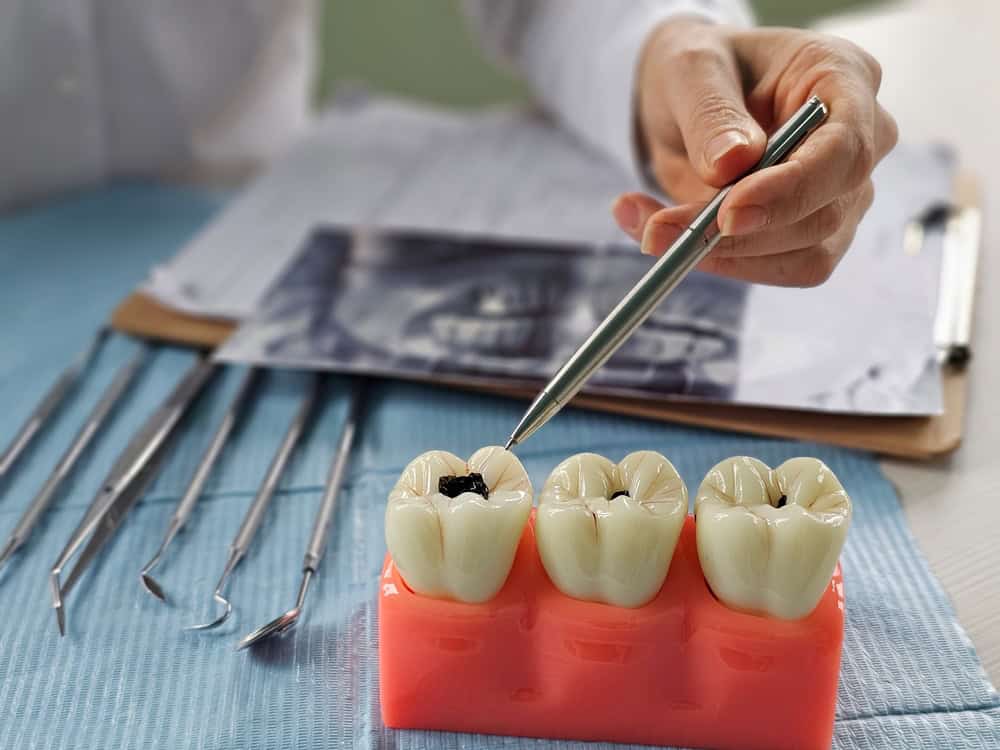
Maintaining healthy teeth over time relies on consistent prevention rather than repeated intervention. While treatments such as Dental Fillings restore areas affected by decay, the long-term objective is to reduce the likelihood of cavities developing in the first place. Preventive care is structured, practical, and guided by an understanding of how decay forms and progresses.
Understanding How Cavities Develop
Cavities form when bacteria in plaque produce acids that gradually break down enamel. This process is influenced by diet, oral hygiene habits, and the frequency of exposure to sugars. Prevention focuses on interrupting this cycle by limiting bacterial activity and protecting the tooth surface.
Daily Oral Hygiene Practices
Consistent Brushing Technique
Brushing twice daily with a fluoride toothpaste helps remove plaque and strengthen enamel. A methodical approach, covering all tooth surfaces, is essential for effective cleaning. The aim is to maintain a consistently clean environment rather than relying on occasional thorough brushing.
Flossing and Interdental Cleaning
Areas between teeth are particularly prone to plaque accumulation. Daily flossing or the use of interdental brushes helps remove debris that brushing alone cannot reach, reducing the risk of decay in these vulnerable areas.
Use of Fluoride
Fluoride supports enamel by enhancing its resistance to acid attack. Regular exposure through toothpaste and, where appropriate, additional products contributes to long-term protection.
Dietary Habits and Their Impact
Managing Sugar Intake
Frequent consumption of sugary foods and drinks increases the risk of cavities. It is not only the quantity of sugar but the frequency of exposure that affects enamel. Reducing between-meal sugar intake allows the mouth to recover and reduces acid activity.
Limiting Acidic Foods and Drinks
Acidic substances can weaken enamel, making it more susceptible to decay. Moderating intake and avoiding prolonged exposure helps maintain the integrity of the tooth surface.
Balanced Nutrition
A balanced diet supports overall oral health. Nutrients such as calcium and phosphate contribute to the strength of teeth and help maintain a stable oral environment.
Professional Preventive Care
Regular Dental Examinations
Routine check-ups allow early detection of changes in tooth structure. Identifying potential issues at an early stage makes prevention more effective and reduces the need for restorative treatment.
Professional Cleaning
Clinical cleaning removes plaque and calculus that cannot be eliminated through daily brushing alone. This supports gum health and reduces the bacterial load within the mouth.
Fluoride Applications
In some cases, professional fluoride treatments may be recommended to provide additional protection, particularly for patients at higher risk of decay.
Protective Treatments
Fissure Sealants
Sealants are applied to the grooves of molars to create a protective barrier. These areas are more difficult to clean and are therefore more prone to decay. Sealants help reduce this risk by preventing bacteria from accumulating.
Early Intervention Strategies
Monitoring early signs of enamel changes allows for preventive measures to be introduced before a cavity develops. This may include targeted fluoride use or adjustments to oral hygiene practices.
Managing Individual Risk Factors
Saliva Flow and Oral Environment
Saliva plays a key role in neutralising acids and protecting teeth. Factors that reduce saliva flow can increase the risk of cavities. Maintaining hydration and addressing underlying causes supports a balanced oral environment.
Orthodontic and Structural Considerations
Teeth that are crowded or misaligned can be more difficult to clean effectively. Addressing these factors where appropriate can improve long-term oral hygiene outcomes.
Personal Habits
Habits such as frequent snacking, sipping sugary drinks, or inconsistent oral care contribute to cavity formation. Identifying and adjusting these behaviours is an important part of prevention.
Consistency Over Time
Preventing cavities is not based on a single action but on consistent daily habits and regular professional care. Small, repeated actions have a cumulative effect, maintaining a stable oral environment and reducing the likelihood of decay.
Establishing a routine that is both practical and sustainable ensures that preventive measures remain effective over the long term.
Supporting Children and Families
Early education and structured routines help children develop effective oral hygiene habits. Supervision and guidance during brushing, combined with regular dental visits, support the development of healthy practices that continue into adulthood.
Long-Term Benefits of Prevention
Preventing cavities reduces the need for restorative treatments, preserves natural tooth structure, and supports overall oral health. It also contributes to comfort, confidence, and reduced long-term dental intervention.
Conclusion
Preventing future cavities is a structured and ongoing process that combines daily care, informed dietary choices, and regular professional support. By maintaining consistent habits and addressing risk factors early, patients can protect their teeth and reduce the need for treatment. At Manchester Dental Clinic, prevention is approached with the same level of care and clinical focus as treatment, ensuring that long-term oral health remains the priority.


