
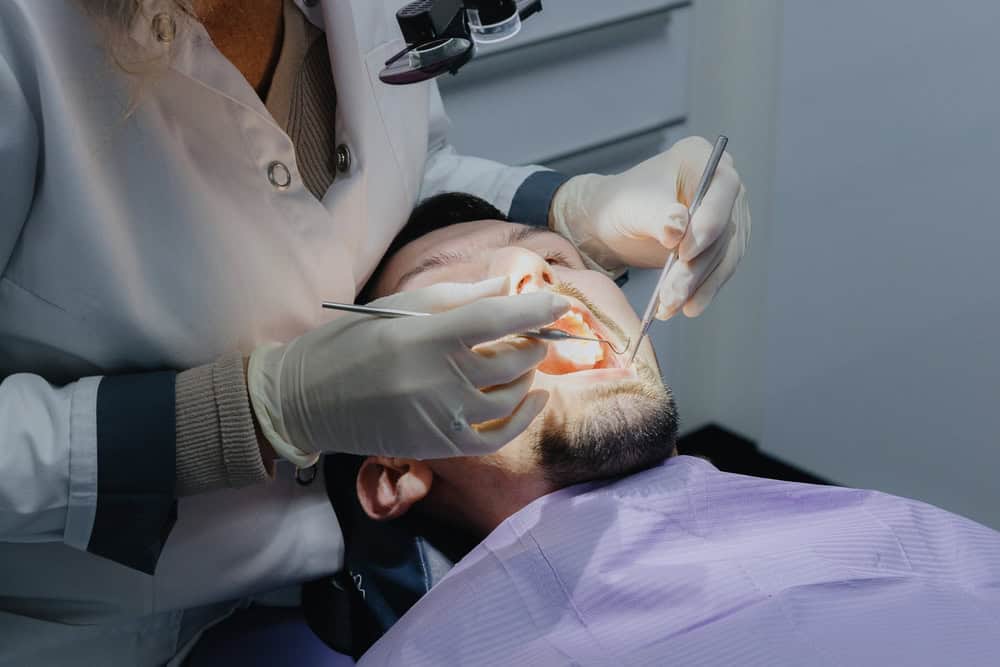
After receiving Dental Fillings, it is not uncommon to experience a degree of sensitivity or mild discomfort. In most cases, this is a normal response as the tooth adjusts following treatment. Understanding what is expected and when to seek further review helps ensure that recovery remains straightforward and that any concerns are addressed appropriately.
Why Discomfort Can Occur After a Filling
Placing a filling involves removing decayed or weakened tissue and restoring the tooth with a new material. Although this process is precise and controlled, the tooth may respond to the intervention, particularly if the cavity was deep or close to the inner structures.
Inflammation of the Tooth
The inner part of the tooth, known as the pulp, can become slightly irritated following treatment. This response is typically temporary and settles as the tooth stabilises.
Changes in Pressure and Bite
Even a well-placed filling can feel different initially. The tooth may need a short period to adapt to the restored shape and contact with opposing teeth.
Exposure of Sensitive Areas
During treatment, areas that were previously covered by decay or damaged enamel may become more exposed, leading to temporary sensitivity.
Common Types of Post-Filling Sensitivity
Temperature Sensitivity
It is common to notice increased sensitivity to hot or cold foods and drinks. This usually reduces gradually over a few days to a few weeks as the tooth settles.
Pressure Sensitivity
Some patients experience mild discomfort when biting down. This can occur as the tooth adjusts to the new restoration or if the bite requires minor adjustment.
Occasional Sharp Sensations
Short, sharp sensations may occur in response to specific triggers, such as cold air or sweet foods. These are generally temporary and reduce with time.
How Long Does Pain Last
In most cases, mild sensitivity resolves within a few days. For deeper fillings, it may take a few weeks for the tooth to fully settle. The duration depends on the depth of the cavity, the proximity to the nerve, and individual response.
A gradual improvement is expected. Discomfort should become less noticeable over time rather than intensifying.
When Discomfort Is Considered Normal
Post-treatment sensitivity is typically considered normal when it is mild, improving, and linked to specific triggers such as temperature or pressure. The tooth should remain functional, and daily activities such as eating and drinking should not be significantly affected.
When to Seek Further Assessment
Persistent or Worsening Pain
If discomfort does not improve over time or becomes more pronounced, it may indicate that the tooth requires further evaluation.
Pain When Biting
Ongoing discomfort when biting down may suggest that the filling is slightly high or not fully aligned with the bite. This can usually be corrected with a simple adjustment.
Continuous or Spontaneous Pain
Pain that occurs without any clear trigger or persists continuously may indicate deeper irritation within the tooth. This should be assessed promptly to determine the appropriate course of action.
Severe Sensitivity to Heat
Intense or lingering sensitivity to heat may be a sign that the inner structures of the tooth are more significantly affected. Clinical review is important in these cases.
Managing Discomfort After a Filling
Avoiding Extreme Temperatures
For the first few days, it is advisable to avoid very hot or very cold foods and drinks. This reduces stimulation of the tooth while it is adjusting.
Eating Carefully
Chewing on the opposite side of the mouth may help minimise pressure on the treated tooth, particularly if sensitivity is present.
Using Appropriate Oral Care Products
Toothpastes designed for sensitive teeth can help reduce discomfort by supporting the natural protective mechanisms of the tooth.
Maintaining Oral Hygiene
Regular brushing and flossing should continue as normal. Keeping the area clean helps support healing and prevents further irritation.
Role of the Filling Material
Composite Fillings
Tooth-coloured composite materials can sometimes lead to temporary sensitivity due to the bonding process and the way the material interacts with the tooth structure. This is usually short-lived.
Depth of Restoration
The closer the filling is to the inner pulp, the more likely the tooth is to respond with temporary sensitivity. This is a normal biological reaction and is carefully considered during treatment planning.
Importance of Bite Adjustment
A filling that is slightly higher than the surrounding tooth structure can create pressure when biting. Even minor discrepancies can lead to discomfort. If the bite does not feel balanced after treatment, a review allows for precise adjustment, restoring comfort and function.
Long-Term Outlook
Most post-filling discomfort resolves without intervention. Once the tooth has adapted, the restoration should feel natural and function without issue. Persistent problems are uncommon but should always be assessed to ensure the long-term health of the tooth.
Conclusion
Mild pain or sensitivity after a filling is a normal part of the tooth’s adjustment process. In most cases, it settles naturally within a short period. Monitoring symptoms and understanding what is expected allows patients to feel confident during recovery. At Manchester Dental Clinic, each treatment is carried out with careful attention to detail, and any post-treatment concerns are managed with the same level of precision and clinical care, ensuring that comfort and long-term oral health remain the priority.


